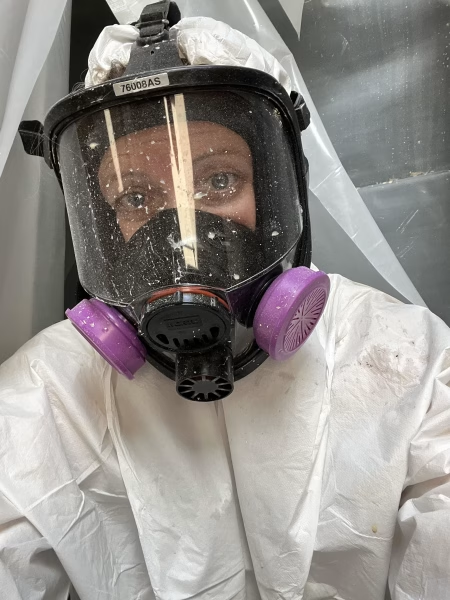
Let’s be real. Having asbestos removed from your house is disruptive. It’s loud, it’s messy before it gets clean, and it involves a lot of plastic. We aren’t here to sugarcoat it. We’re here to do the job safely, legally, and completely so you never have to worry about it again.
We follow strict Washington State Labor & Industries (L&I) regulations. That means no shortcuts. If you’re wondering what your house is going to look like while we’re working, here is exactly what to expect.
Before we get into the specifics of your project, here are the ground rules for how we operate:
Before we arrive, the work area needs to be empty. Furniture, wall hangings, personal items—if it can be moved, move it. We need a blank canvas to build our containment.
We use heavy-duty polyethylene plastic (4-mil to 6-mil thick) to seal off the work area. This keeps the rest of your house safe from microscopic fibers.
We seal everything with industrial-grade duct tape. Yes, this tape might peel your paint when we take it down. No, there is no alternative tape we can use. L&I requires a completely airtight seal, and blue painter's tape isn't going to cut it. Plan on some touch-up painting after we leave.
We install heavy-duty HEPA negative air machines that exhaust out a window or door. These machines constantly filter the air and keep the containment sucked inward.
For most jobs, we build a 3-chamber decontamination unit (about 9ft x 3ft) outside the work area. It’s how our crew safely enters and exits without bringing asbestos into your hallway.
Different materials require different approaches. Here is how we tackle the most common jobs we see.
When we scrape a ceiling or tear out drywall, things get wet. We use water to keep the asbestos fibers heavy so they don't float.
Flooring glue and tiles can be stubborn.
Old heating ducts wrapped in asbestos tape usually go one of two ways:
Attic jobs are a different beast.
Working in the dirt means we do things a little differently.
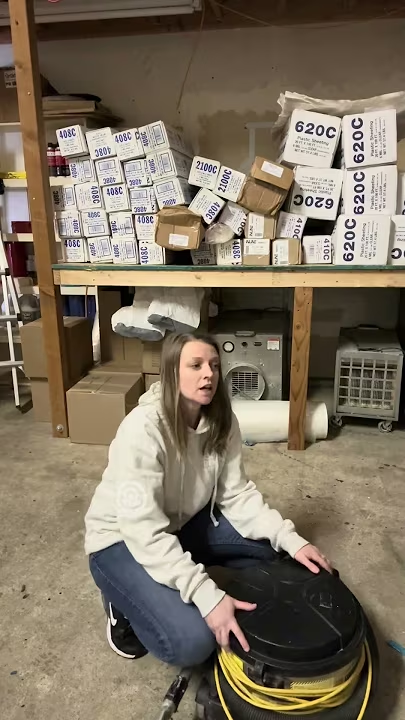
Asbestos removal isn't a DIY weekend project. It requires the right gear, the right training, and a company that isn't going to cut corners on your family's safety.
If you know what needs to be removed, or if you need an inspection to figure out what you're dealing with, let’s talk.